Anxiety & Catastrophic Thinking about Health and Wellbeing can lead our imaginations wild- Here is a deep dive fact check!
CDC 2017 Top Ten reason for death----Suffering for a long time)
I am not afraid to die, but I am terrified of being confined to a couch due to illness or injury. I can’t stand the thought of slowly withering away in pain, looking out the window, wishing I could be on my beloved mountain trails. So, we begin by exploring the foundations and what is essential.
When seeking to know how to have the best life possible and optimize our mental and physical well-being, it is critical to understand what causes us to suffer the most as we age and die. So, let’s head to the CDC, which publishes information on all sorts of demographics. Let’s look at the information about the cause of death. You can see the charts I made below or check it out yourself by clicking on the link. Don’t get too carried away if you are triggered by this kind of information. There is so much hope that we can live long healthy lives if we prioritize taking care of ourselves. I also love to study the Blue Zones (places in the world were people live past 100 years.)
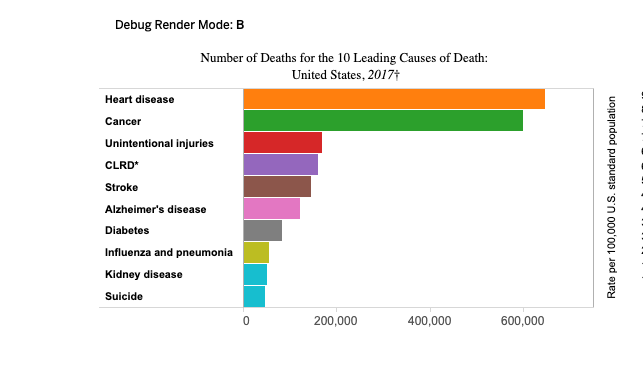
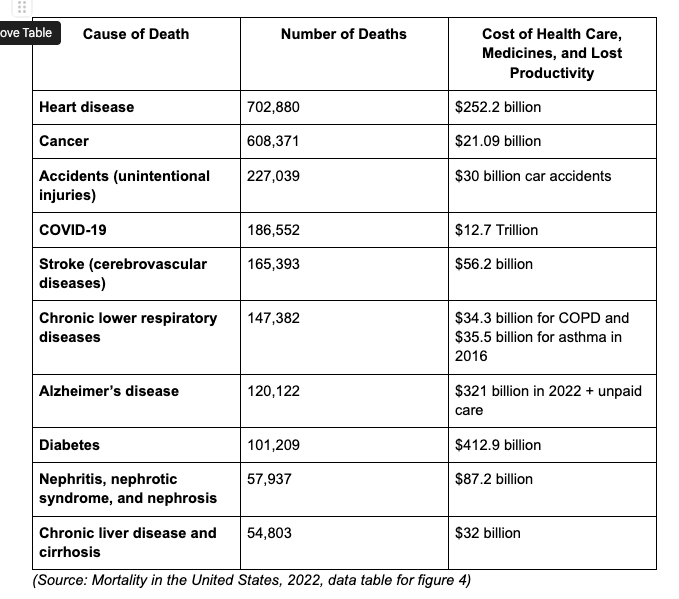
Looking over this list may cause some stress. Most of the diseases here are a long, slow, expensive death with a great deal of suffering stretched out over decades. Those suffering from these diseases spend vast amounts of time visiting doctors, getting medical tests, procedures, and hospital stays. I don’t know about you, but I would rather avoid dialysis, heart surgery, or a liver transplant, let alone chemotherapy. I have had a few health scares myself and so I am personally invested in doing everything I can reduce my risks. It can be so scary to be told you have an incurable disease.
Take a few deep breaths. Remember, you are just reading numbers, and these numbers don’t need to be you. Because these often come on slowly, we have time to do something different. We just need to be consistent and persistent in put effort into the most important places.
While we cannot avoid death, we can do many things to prevent long-term suffering. I spent time researching the most common things we could do that would reduce the risk of these ailments. Unfortunately, there is no guarantee that we will avoid them entirely, but we can do something to improve our overall well-being right now. If we keep focus on improving today this will stretch into the future. Even if you already have a chronic illness, accepting my Vital Elements 90 day Challenge Course will help you manage it better, improve your functioning, and mentally cope with your limitations.
Because this is the Deep Dive… Pull let’s out our Scuba Gear….we are going down a little deeper. As you read this list it breaks down and adds the Associated Risk factors for each of our Causes of Suffering and Death.
Top 10 Causes of Death (Based on CDC and Other Data/Sources)
Heart Disease
Number of Deaths: 633,842
Associated Factors: Unhealthy diet, lack of exercise, overweight, smoking.
Malignant Neoplasms (Cancer: breast, prostate, skin)
Number of Deaths: 595,930
Associated Factors:
Gene mutations that occur after birth from forces such as smoking, radiation, viruses, cancer-causing chemicals (carcinogens), obesity, hormones, chronic inflammation, and a lack of exercise. (Source: Mayo Clinic, 2015)
Chronic Lower Respiratory Disease (Bronchitis, Emphysema, Asthma, etc.)
Number of Deaths: 155,041
Cost: $42 billion
Associated Factors: Smoking, pollution, long exposure to chemicals/dust. (Learn More)
Unintentional Injury (Car Accidents, Drug Overdose, Drowning, Falls in Seniors)
Number of Deaths: 146,571
Cost: $130 billion
Causes for Car Accidents:
Distracted driving (texts, phone, eating, children).
Drunk driving or driving under the influence of substances (including prescription drugs).
Not obeying traffic laws, road conditions, and driver fatigue. (Learn More)
Causes for Drug Overdose:
Opioids (33,000 in 2015).
Chronic pain (emotional and physical).
Falling in the Elderly: Poor strength and balance, side effects from prescription drugs, vision issues.
Cerebrovascular Disease (Stroke)
Number of Deaths: 140,323
Cost: $8.5 billion
Causes: High blood pressure, clots, weakened blood vessels, chronic stress, obesity, smoking, poor diet, hypertension, arterial inflammation.
Alzheimer’s Disease
Number of Deaths: 110,561
Cost: $259 billion
Causes:
Brain cell death (neurodegenerative disease).
Chronic High Stress in middle age, diabetes, obesity, genes.
Protective Factors: Higher education, language, leisure activities, social engagement, light exercise, healthy brain throughout life. (Learn More)
Diabetes Mellitus
Number of Deaths: 79,535
Cost: $245 billion in 2012
Causes:
Type 2 diabetes: genetics and lifestyle, leading to insulin resistance (can be hereditary). (Learn More)
Poor diet, overweight, and physical inactivity.
Influenza and Pneumonia
Note: This is often the estimated cause written on the death certificate for people weakened by other illnesses. Note that not being able to breath deeply increases the risk of death due to not being able to clear out the lungs.
Nephritis (Kidney)
Associated Factors: Family history, immune system disease, excessive antibiotics/pain medications, diabetes and high blood pressure, overweight, poor diet, low physical activity. (Learn More)
Suicide
Associated Factors: Isolation, loneliness, lack of community/purpose, chemical depression, substance abuse (including prescription withdrawal), hopelessness, helplessness.
“We live in a really noisy world with many people marketing to us the cure-all fix, diet plan, supplement, and easy solution…
I want to show you what matters most based on the scientific evidence from solid research and data. There is no fluffy answer. There is no single cure all. And I don’t want to sell you a fear based solution that just increases your anxiety. That is the opposite of my purpose here. I want you to see it for yourself. I want you to know why you are putting effort into self care every day. I want you to be empowered to make educated decisions about your Mind, Body, and Soul! ”
Now really look at this list. These are the Risk Factors we really need to pay attention to.
-----Common Risks Correlated with the CDC’s Top Ten Reasons for Death
Unhealthy diet (lacking in nutrient rich foods)
Dehydration (not enough pure water)
Lack of exercise/movement (sedentary lifestyle leading to weakened physical strength)
Poor air quality (smoking, pollution, dust, chemical exposure, poor breathing habits)
Substance overuse and abuse (prescription drugs, natural supplements, caffeine, alcohol)
Chronic stress and always being rushed, feeling not good enough, or late
Not enough rest (poor sleep quality and lack of healthy leisure)
Unhealthy weight (obesity, overweight, eating disorders)
Social, emotional, and relationship isolation and negative relationships
Apathy (lack of personal development and challenging goals)
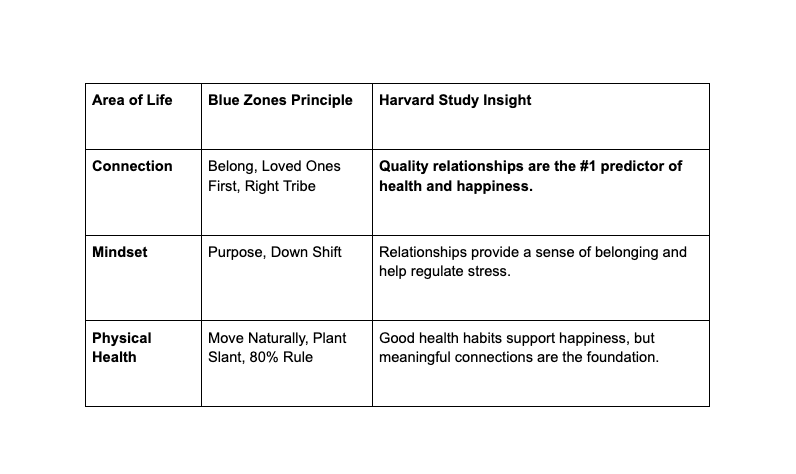
Now let’s learn a little bit about the Blue Zones and a Long term Harvard study.
The Power of the Blue Zones
The term Blue Zones was coined by researchers who identified five regions where people live demonstrably longer, healthier lives with lower rates of chronic disease.
The original five Blue Zones are:
Okinawa, Japan: Known for a strong sense of purpose ("Ikigai") and a plant-heavy diet.
Sardinia, Italy: A mountainous region with a high concentration of male centenarians, focused on family and walking long distances.
Ikaria, Greece: An island with low rates of dementia, where a Mediterranean diet and afternoon naps are common.
Nicoya Peninsula, Costa Rica: Residents enjoy a strong sense of purpose ("plan de vida") and a simple, plant-rich diet of beans and corn.
Loma Linda, California, USA: A community of Seventh-day Adventists who adhere to a mostly vegetarian diet and prioritize faith and community.
Habits of Longevity
Researchers, led by Dan Buettner, identified nine common lifestyle factors shared by people in the Blue Zones. These are not drastic changes, but small, sustainable habits woven into the fabric of daily life.
Move Naturally: They don't run marathons, but they are constantly moving—gardening, walking, or doing manual labor. Movement is built into their daily routine.
Purpose: They have a reason to wake up in the morning (called Ikigai in Okinawa and Plan de Vida in Nicoya). This sense of purpose is linked to an increased lifespan.
Down Shift: They have routines to shed stress, like taking a nap (siesta), praying, or observing a "happy hour."
80% Rule: They practice the Okinawan mantra, hara hachi bu, stopping eating when they feel 80% full. This naturally results in fewer calories consumed.
Plant Slant: Their diets are 95% plant-based, consisting mainly of beans, greens, whole grains, and nuts. Meat is typically eaten only about five times per month.
Belong: The vast majority of centenarians belong to a faith-based community. Attending services regularly is linked to living 4 to 14 years longer.
Loved Ones First: Strong, committed family ties are paramount. They commit to a life partner and keep aging parents and grandparents nearby, which provides both security and a sense of purpose to the elders.
Right Tribe: They actively choose or are born into social circles that support healthy behaviors. Healthy behaviors are contagious!
The Harvard Study's Defining Conclusion
For over eight decades, the Harvard Study of Adult Development has followed hundreds of men (and later their wives and descendants) from their teen years into old age, tracking every aspect of their lives—from their career success and physical health to their relationships and emotional well-being.
The research is the longest and most comprehensive study on happiness and longevity ever conducted. The ultimate finding is so profound, yet so simple, it cuts across all other factors.
The single most important predictor of a long, healthy, and happy life is not money, fame, social class, or even a low cholesterol level. It is the quality of your relationships.
Loneliness Kills: The study's current director, Dr. Robert Waldinger, points out that loneliness is as toxic to health as smoking or alcoholism.
Warmth is Protective: People who were the most satisfied with their relationships at age 50 were the healthiest at age 80. Strong relationships help regulate stress, buffer against physical pain, and keep your brain sharp.
Quality Over Quantity: It's not about the number of friends you have; it's about the depth of those connections. Living in the midst of conflict is detrimental, while warm, close relationships are profoundly protective.
What can you do today?
Prioritize Your Tribe: Spend quality time with family and friends who boost your morale. Schedule that friend date or volunteer with a community group to give you a positive feeling inside.
Move with Intention: Find ways to move naturally throughout the day—walk to the store, take the stairs, or start a small garden. (Try our ZenHikr walking mediation course)
Eat a Plant Slant: Incorporate more nutrient rich foods like colorful vegetables into your meals and quality proteins.
By embracing these simple, powerful habits, you’re not just chasing an extra decade—you’re building a life that is rich in purpose, connection, and health, starting right now.
The data on the leading causes of death in America reveals a startling truth: much of our stress, sickness, and struggle is rooted in a handful of common, controllable lifestyle risks. But here is the good news: the answers to a long, healthy, and happy life are not complicated. They are simple, small, and within your grasp! Over the next 90 days, the Vital Elements Challenge will be your personal map. We will use the science-backed data from the CDC to know where we need to reduce our risks, add principles from the world’s longest-running studies—like the Blue Zones and the Harvard Study of Adult Development—to build your unbreakable Mind-Body-Soul Connection. Each week, you will uncover deep, actionable insights and build small, gentle habits that are designed to dismantle chronic stress and anxiety. You are ready to bring back focus on the Vital Elements of life, wellbeing, and happiness. Welcome to your journey. Let's begin the ascent together. And don’t be afraid to try again if you get off course! Persistence and effort matter.
P.S. If you feel ready to dive even deeper into somatic calm and embodied wisdom, I highly recommend the ZenHikr 40-Day Soul to Summit Challenge as the perfect audio companion to this course. And as a Clinical Mental Health Counselor, remember that my private Therapy Services are always available if you are looking for more personalized, one-on-one support on your journey to peace and resilience.
Always Cheering for you,
BeckyLynn Spotten
CMHC, LCPC, LPC
